Rooftop Garden Oasis

Finnegan Flynn
| 16-04-2026
 · Lifestyle Team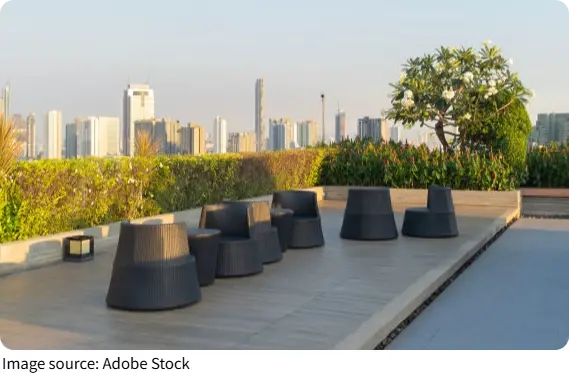
When you live in an urban environment, a rooftop garden can be a breath of fresh air—a literal one! It's a place where you can escape the hustle and bustle, enjoy some peace, and add a touch of greenery to your otherwise concrete jungle.
However, designing and utilizing this space requires careful planning to make the most out of every inch. Here's how you can design a rooftop garden that's both functional and beautiful.
1. Assess Your Space and Budget
Before diving into any design ideas, it's essential to assess your available space. Rooftop gardens can come in many shapes and sizes, so understanding your space will help you make the right decisions.
- Measure the area: Take accurate measurements of your rooftop to determine how much space you have for planting, seating, and other elements. Don't forget to factor in any obstacles, such as chimneys or vents.
- Set a budget: Rooftop gardens can be expensive to set up, so create a budget that includes plants, furniture, planters, irrigation systems, and any structural adjustments needed to support the garden.
Actionable Tip: Invest in lightweight materials, especially if you have weight restrictions on your rooftop. Materials like lightweight planters or modular decking can help you save on space and weight.
For instance, I measured my rooftop space and was able to fit a small seating area, a few planters, and some small trees without overloading the space. This setup made the area feel more open and welcoming.
2. Select the Right Plants
Plants are the heart of any garden, and choosing the right ones is essential for a thriving rooftop garden. The unique environmental conditions on a rooftop, like strong winds, intense sunlight, and limited soil depth, can make plant selection tricky.
- Consider local climate: Choose plants that thrive in your climate and can withstand the rooftop environment. Drought-tolerant plants, such as succulents, lavender, and ornamental grasses, are excellent choices for sun-soaked rooftops.
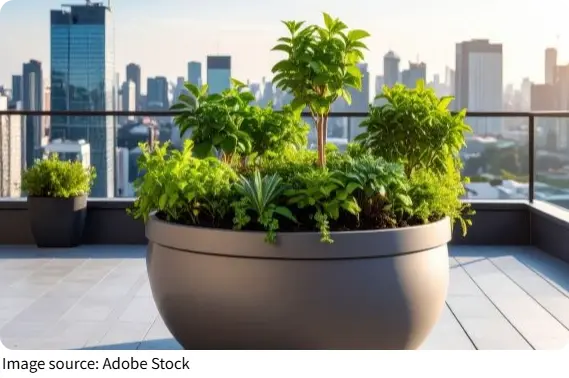
- Use container gardening: Since rooftop soil is often limited, container gardening is a great option. Large pots or raised beds can provide the necessary space for your plants to grow.
Actionable Tip: Group plants based on their sunlight and water requirements. This will help you create a more efficient and low-maintenance garden.
For example, I planted a mix of herbs like basil and thyme in containers, along with some small shrubs and succulents, which not only survived the heat but thrived in the space with minimal maintenance.
3. Create Functional Zones
Maximize your rooftop garden's potential by dividing the space into functional zones. This will make the space feel more organized and give each area a distinct purpose.
- Seating area: Set up a cozy lounge area with outdoor furniture, like a small table and chairs, or even a hammock. This space can serve as a relaxing spot to enjoy the views and socialize.
- Dining area: If you love dining outdoors, consider incorporating a small dining table or bar area. You could even build a small kitchen or grilling station if space allows.
- Planting area: Dedicate a section for larger plants or small trees to create shade and privacy. Raised garden beds are great for this purpose.
Actionable Tip: Use outdoor rugs, privacy screens, and trellises to define and separate each zone without losing the open feel of the space.
For example, I used a combination of trellises and climbing plants to section off the dining area from the rest of the garden, creating a private and intimate setting for meals.
4. Incorporate Water Features
Water features can enhance the atmosphere of your rooftop garden by adding soothing sounds and creating a more tranquil environment. While you may not have space for a full pond, smaller water features are still very effective.
- Small fountains: A compact water fountain can be a beautiful addition without taking up much space. The sound of trickling water adds a calming touch to any area.
- Water walls: A vertical water wall or cascade can be a space-saving option that adds a luxurious feel to your rooftop garden.
Actionable Tip: Opt for a self-contained fountain or water feature that doesn't require complex plumbing. Many fountains are available as plug-and-play units, making them easy to install and maintain.
I added a small solar-powered fountain to my garden, which not only added visual interest but also attracted local birds, adding an extra layer of charm to the space.
5. Choose the Right Furniture
Rooftop furniture should be both stylish and durable to withstand the elements. Since rooftop spaces are often exposed to the sun, rain, and wind, opt for furniture made from weather-resistant materials, such as metal, teak, or synthetic wicker.
- Compact and multifunctional: Since rooftop spaces tend to be limited, choose furniture that can serve multiple functions. For example, look for benches with hidden storage or foldable tables and chairs.
- Comfortable seating: Comfort is key, especially if you plan on using the rooftop as a relaxation spot. Invest in comfortable cushions and throws designed for outdoor use.
Actionable Tip: Choose lightweight furniture that's easy to move around. This will allow you to rearrange the space as needed for different occasions.
For example, I chose a small metal bench with a cushioned seat that doubles as storage for gardening tools. It's compact, functional, and adds a touch of style to my garden.
6. Maximize Vertical Space
If your rooftop garden is small, make the most of your vertical space. Using vertical gardening techniques will allow you to grow more plants without taking up valuable floor space.
- Vertical planters: Install vertical planters or use wall-mounted shelves to grow climbing plants, herbs, or flowers.
- Green walls: A green wall or living wall can be a stunning focal point that utilizes vertical space to its fullest. It's a great way to add greenery without taking up floor space.
Actionable Tip: Use wall-mounted hooks or rails to hang small planters or baskets. This will give your garden a layered, lush feel.
I used wall-mounted shelves to plant small herbs and flowers, which not only saved space but also created an aesthetically pleasing and accessible setup.
Designing a rooftop garden requires a balance of creativity, functionality, and resourcefulness. With the right plants, furniture, and layout, you can transform your rooftop into a relaxing, green oasis. Start small, plan wisely, and in no time, you'll have a beautiful rooftop garden to enjoy for years to come.