Dance Link

Santosh Jha
| 16-04-2026
 · Art Team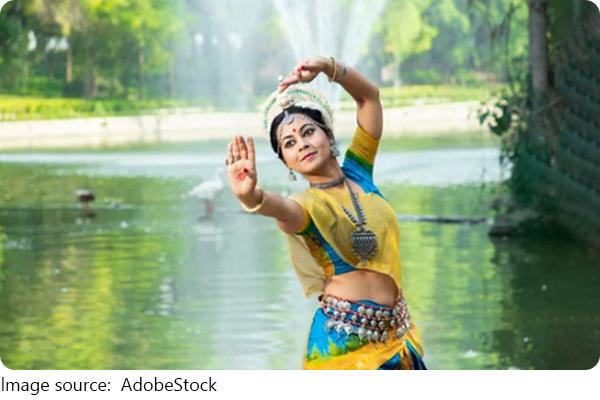
The First Pulse
Before words ever carried emotion, movement did. The moment a rhythm starts, the body stirs almost instinctively — a tap of the toe, a tilt of the shoulder, the spine aligning with invisible waves of sound.
Dance isn't just physical exercise; it's a conversation between the body and the music, one that needs no translation. When the rhythm hits, something ancient awakens — a link that merges instinct, sound, and soul.
When Music Enters the Body
Music is vibration made visible through motion. Each beat lands in the body differently — a slow base note grounds the dancer, while a high melody lightens the limbs. Even non-dancers feel this pull; that subtle urge to sway proves how universal it is. Scientists say rhythm engages the motor cortex and emotional centers at once, causing movement and feeling to rise together. A dancer doesn't just hear music — they become it, living inside its pulse.
Emotion in Motion
Emotion gives dance its fire. Joy lifts jumps higher, sorrow softens gestures, tension shapes sharper lines. Unlike spoken language, dance expresses emotions that words can't grip. When a dancer spins with abandon or falls into a deep arc, the audience senses what's happening beneath the surface. That's why even if you don't know a dance's story, you still feel it. The emotion travels through space, not speech.
The Dialogue of the Body
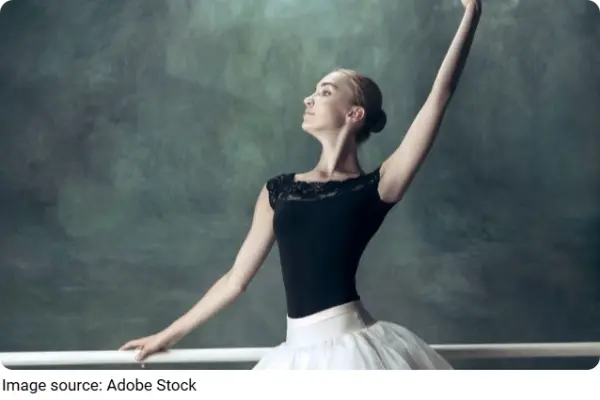
Every dance style speaks a different emotional dialect. Street dance channels freedom and rebellion, ballet explores control and grace, contemporary dance seeks truth through vulnerability. Dancers learn to listen inward — how a heartbeat accelerates, how breath syncs with melody. Over time, the body becomes fluent in expressing emotion without effort. Movement becomes language, and the dancer becomes both writer and reader of that language.
The Shared Pulse
Dance connects not only music and emotion, but humans to one another. When people move together — in a class, at a concert, or in a quiet living room — they form a shared rhythm. Each body adjusts subtly to the others, forming unity through motion. That sense of being “in sync” triggers a rush of empathy and belonging. It's why dance can melt social barriers, dissolve tension, and even heal emotional wounds.
More Than Performance
To dance is to let go of self-consciousness and rediscover feeling through the body. It's a reminder that emotion doesn't just live in the mind — it pulses in the muscles, breath, and skin. Music, body, and emotion meet where rhythm becomes invisible — inside the dancer's heartbeat. That's the moment dance stops being choreography and starts becoming connection.